Cover Up Tattoos Sioux Falls Area | Red Arbor Tattoo
A cover-up tattoo is a new tattoo designed to hide an old one. The artist uses the shape, color, and placement of the new design to completely cover what was there before. It is one of the most common things we do at Red Arbor Tattoo, and honestly, it is one of the most satisfying — for us and for the person sitting in the chair.
I have done a lot of cover-ups. Hundreds. And the thing I hear more than anything else when people walk in is some version of “I should have done this years ago.” They put it off because they thought it would be complicated, or because they figured they were stuck with what they had, and then they finally come in and realize it is way more doable than they expected.
What kind of tattoos can be covered up?
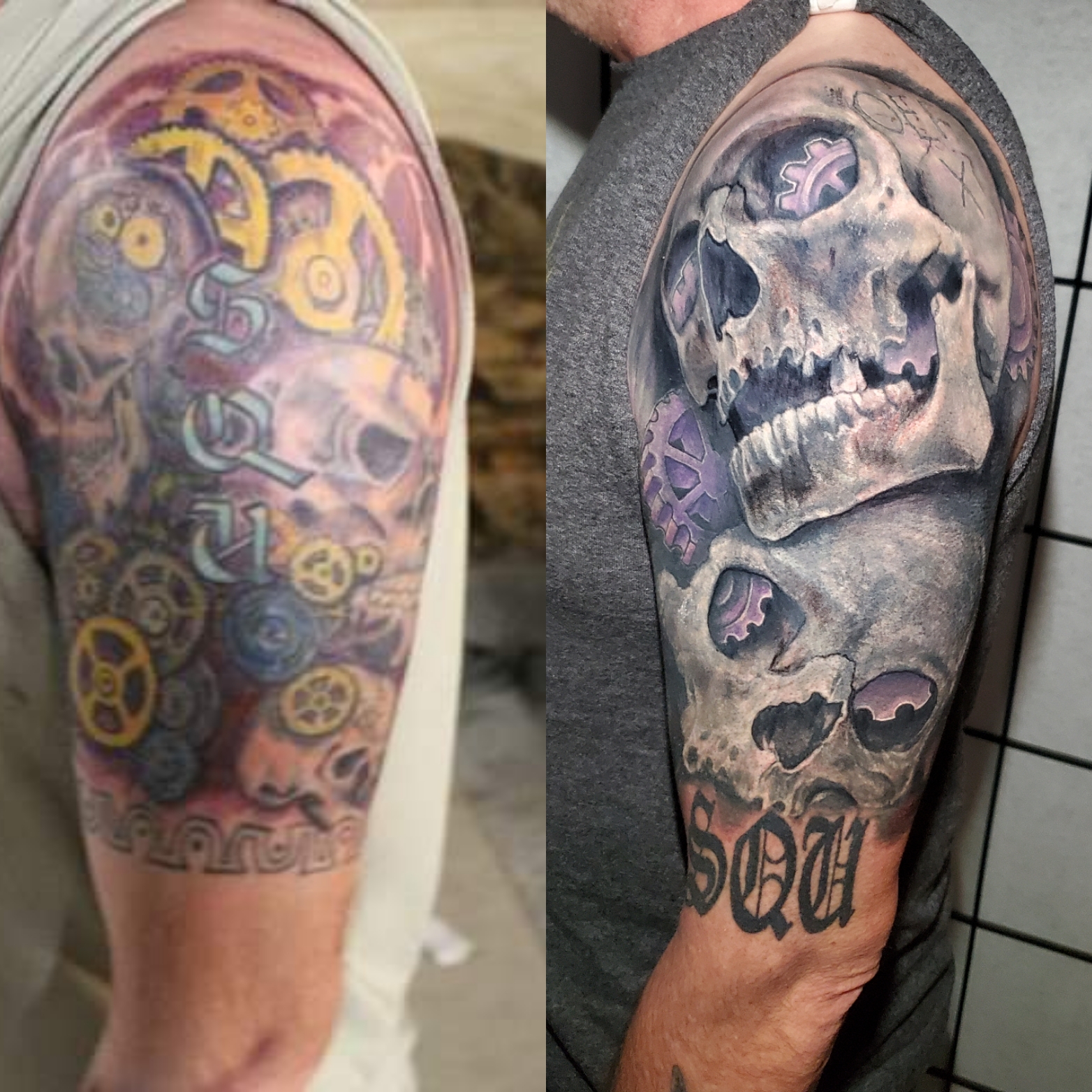
Most of them. That is the honest answer. I have covered faded script from fifteen years ago and I have covered fresh black work that somebody got six months back and already hated. Light ink, thin lines, small stuff — those are the easiest. But even dark, heavy tattoos can be covered. Sometimes those need a round or two of laser lightening first to knock the old ink back enough that the new design has room to breathe, but it is still very doable.
The ones that take the most planning are big pieces with a lot of solid black. And I am talking packed black, like a filled-in tribal band or a big dark silhouette. That does not mean they cannot be covered. It means the artist has to be more creative with the design and the placement, and sometimes it means the cover-up ends up bigger than people were picturing. But I would rather tell someone that upfront than have them come in expecting a small fix and leave disappointed.
Why do people get cover-ups?
All kinds of reasons. Bad work is a big one — somebody went to a shop that was cheap, and the tattoo shows it. I have seen blowouts, crooked lines, shading that looks like a bruise. And the person has been walking around with it for years feeling self-conscious about it, which is a lousy way to feel about something that is on your body permanently.
Names are another one. Ex-boyfriend’s name, ex-girlfriend’s name, sometimes a friend they fell out with. I do not ask for the story unless they want to tell it. The work is the same either way.
And then there are people who got something when they were nineteen and they are a different person now. That is probably the most common reason, actually. The tattoo was fine at the time and now it does not fit who they are. So they want something that does.
What tattoo styles work best for cover-ups?
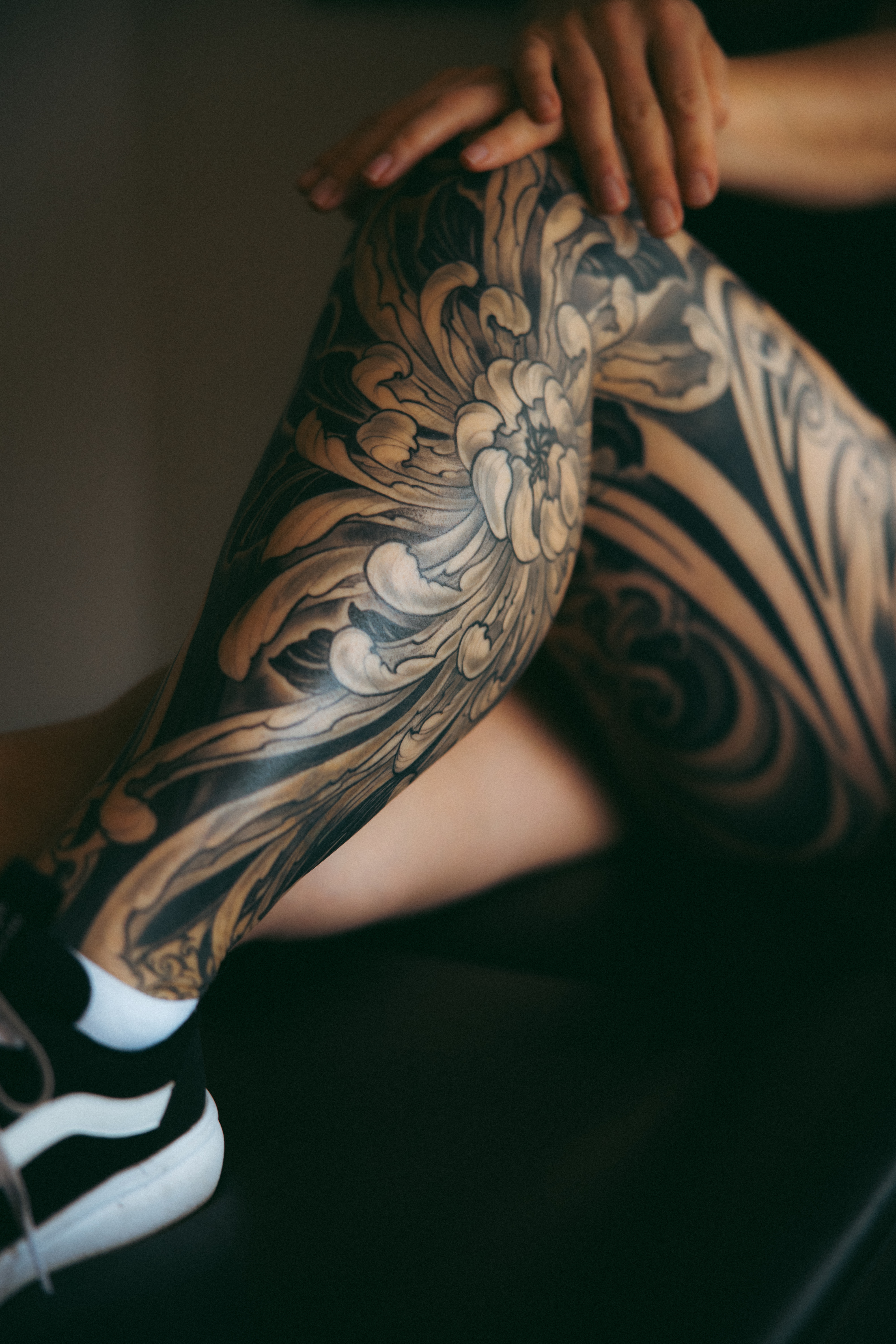
Bold styles with solid color and heavy shading work best for cover-ups. American traditional, Japanese traditional, geometric, ornamental, and floral designs are all strong choices because the shapes and contrast do a good job of hiding old ink underneath.
Japanese traditional, geometric, and ornamental work are especially good for cover-ups because they use large shapes, heavy shading, and repeating patterns that wrap around old ink and make it disappear. A lot of people come in thinking they need something dark and blocky to cover what they have, and then they see what a well-planned Japanese sleeve or geometric piece can do over old work and it changes what they thought was possible.
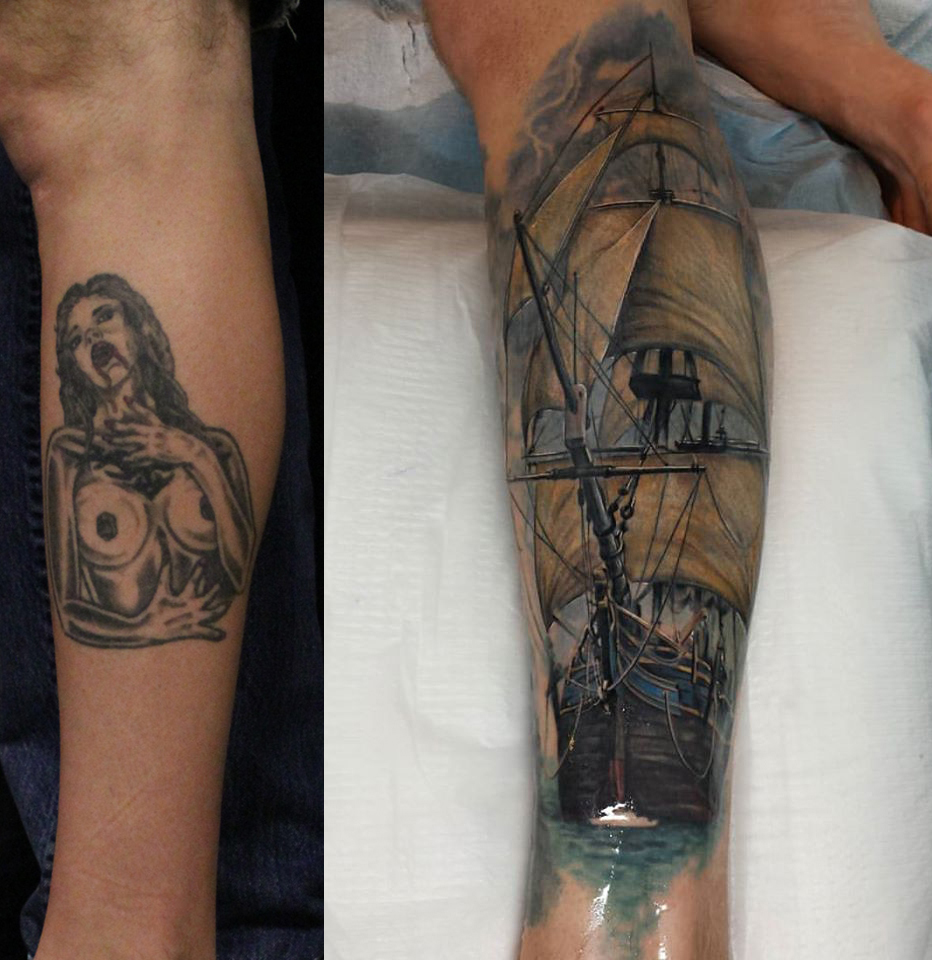
I tell people to stay open-minded about the style. Bring in your ideas, tell me what you like and what you do not like, and then let the artist figure out what is going to work over the existing piece. Sometimes people come in wanting one thing and we end up going a different direction because the old tattoo dictates what will and will not work on top of it. That is not the artist being difficult. That is the artist keeping you from ending up with two bad tattoos instead of one.
How much does a cover-up tattoo cost?
It depends on the piece. A cover-up does not automatically cost more than a regular tattoo. If someone has a small tattoo on their arm and they are getting a full sleeve over it, the old tattoo does not really change the price — the sleeve is the sleeve. Where price goes up is when the old tattoo is the focus of the project and the artist has to design specifically around it, work with tricky colors, or deal with heavy saturation that makes the job harder.
I cannot give you a number without seeing the tattoo first. Anybody who quotes you a price over the phone for a cover-up without looking at it is guessing. We do free consultations at Red Arbor Tattoo, and during that consultation your artist will look at the old piece, talk through design options, and give you a price based on what the work will actually take.
Deposits are required before any design work begins. The deposit goes toward the total cost of the tattoo.
Do I need laser removal before a cover-up?
Not always. A lot of cover-ups can be done without any laser at all. If the old tattoo is light enough and the new design has enough color and density, the artist can cover it straight.
But if the existing tattoo is packed with heavy black or very dark saturated color — and I mean really dark, not “it looks dark to me” dark but actually solid and dense — then laser lightening is sometimes worth looking at. Not full removal. A session or two to fade it back. We only recommend laser if it will save you money in the long run compared to the extra tattooing time, or if it opens up design options that would not be possible otherwise. Your artist will tell you during your consultation whether laser makes sense or whether you can skip it entirely.
How does the cover-up process work at Red Arbor Tattoo?
Pretty simple actually. You fill out the contact form on our website. Include what body part the tattoo is on, maybe a photo of the existing piece if you can, and a rough idea of what you are thinking for the cover-up. You do not need to have the whole thing figured out — that is what the consultation is for.
We will send you a link to book a free consultation with one of our artists. During that sit-down the artist looks at the tattoo in person, talks about what is realistic, and starts working out a plan. The whole thing usually takes about an hour.
After that, you put down a deposit and the artist starts on the design. We do not start drawing until the deposit is in because the design work is custom and takes real time. Many of our artists do not show the finished design until the day of the tattoo appointment — that is normal and it is part of how they work.
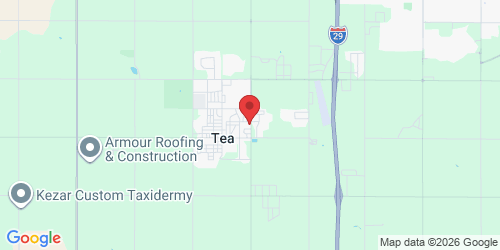
Red Arbor Tattoo is at 315 N Heritage Pkwy in Tea, SD. If you know where the Casey’s is on Heritage Pkwy, you are about thirty seconds from our door. We are open Tuesday through Saturday, 10 AM to 8 PM. The shop is right outside Sioux Falls and we get clients from Harrisburg, Brandon, Brookings, Vermillion, Yankton, across the Midwest, and from out of state. We have had people fly in from other countries for the right piece.
Can scars be covered with tattoos?
Scar cover-up tattoos are tattoos designed to blend with or cover scarred skin. Scarred skin holds ink differently than normal skin, so the artist has to adjust technique — lighter pressure in some spots, heavier in others, and sometimes multiple passes to get the ink to sit right.
I have covered surgical scars, self-harm scars, and scars from accidents. The tattoo will not make the scar disappear. The skin is still textured underneath. But a well-done tattoo over scar tissue can make a big difference in how that area looks and how the person feels about it. I have seen it change people. I am not exaggerating.
Not all scarred skin is ready to tattoo. The scar needs to be fully healed and mature — usually at least a year old, sometimes longer depending on the type. Raised keloid scars are harder to work with than flat scars. Your artist will look at it during the consultation and tell you straight whether it is ready or whether you need to wait.
Frequently Asked Questions About Cover-Up Tattoos
Can any tattoo be covered up?
Most tattoos can be covered up. Very dark or heavily saturated tattoos may need a round or two of laser lightening first, but most of the time we can work with what you have. The best way to find out is to come in for a free consultation at Red Arbor Tattoo.
How much does a cover-up tattoo cost?
Depends on the piece. A cover-up does not automatically cost more than a regular tattoo. If the old tattoo is small and you are getting a bigger piece over it, it may not change the price at all. Where cost goes up is when the artist has to design specifically around difficult existing ink. Consultations are free and your artist will give you a clear price before any work starts.
Do I need laser removal before a cover-up tattoo?
Not always. Lots of cover-ups are done without laser. We only recommend laser if it will save you money in the long run or if it opens up design options that would not be possible otherwise. Your artist will tell you during your consultation.
How long does a cover-up tattoo take?
Longer than a fresh tattoo the same size. Some cover-ups are done in one sitting. Bigger or more complicated ones might take two or three sessions. Your artist lays out the full timeline during the consultation so you know what to expect before anything starts.
What tattoo styles work best for cover-ups?
Bold styles with solid color and heavy shading — American traditional, Japanese traditional, geometric, ornamental, and floral patterns. These styles use strong shapes and contrast that hide old ink well. Japanese and geometric work are especially effective because the large-scale patterns wrap around existing ink.
Can you cover up a tattoo with a scar?
Yes, but the scar needs to be fully healed — at least a year old, sometimes more. Scarred skin holds ink differently than normal skin, so the technique changes. Your artist will evaluate the scar during a consultation and let you know if it is ready.
Contact Red Arbor Tattoo to schedule your free cover-up consultation. Fill out the contact form on our website, or call us at (605) 408-0837. We are at 315 N Heritage Pkwy in Tea, SD — right outside Sioux Falls. Open Tuesday through Saturday, 10 AM to 8 PM.